AI
AI SEO: What's Actually Changed (and What to Do About It)
By Kyle Senger
15+ years in local marketing; Google Ads certified; Shopify Partner.
TLDR
Google AI Overviews appeared on 39% or more of informational queries in 2026, cutting click-through rates by 30 to 58% for first-ranked pages, which means Canadian SMBs now need both traditional SEO and AI citation strategies running in parallel.
- Two distinct problems: using AI tools to produce SEO work faster is not the same as getting your site cited inside Google AI Overviews, ChatGPT, or Perplexity.
- Traffic loss is real: a page sending 500 monthly visitors can drop to 300 when an AI Overview fires above it, per BrightEdge 2026 data.
- Fix: rewrite pages to answer specific questions with local context and numbers, not general service descriptions.
- Measurement gap: track AI brand citations using tools like Otterly.AI or Profound, not just Google rankings.
- Vetting agencies: ask any agency pitching AI SEO to name the tool they use to measure LLM citation frequency before signing.
Here's a question worth sitting with for a second. When someone in Toronto searches "best commercial electrician near me" right now, what do they actually see?
Not ten blue links. They might see a Google AI Overview that summarizes the top three options, pulls a quote from one of their websites, and answers the question before the person clicks anything. Your site might be ranking fourth. You might be invisible.
That's the real story behind AI SEO in 2026. It's not about ChatGPT writing your blog posts. It's about how search itself has changed, and whether your site is set up to show up in a world where AI is answering questions before users ever reach a results page.
This article is specifically about SEO through the AI lens: what's different, what still works, and what to actually do about it. If you want the broader picture of how AI fits into your whole marketing mix, our complete guide to AI for marketing covers that ground. This one goes narrower and deeper.
What "AI SEO" Actually Means Right Now
Let's clear something up. AI SEO isn't one thing. When people search that term, they usually mean one of two very different problems:
Problem A: Using AI tools to do SEO work faster. Writing content, running audits, finding keyword gaps. This is AI as a productivity tool.
Problem B: Getting your site to show up inside AI-generated answers. Google AI Overviews, ChatGPT search, Perplexity. This is AI as a new search surface you need to rank in.
Most agencies are pitching Problem A as if it solves Problem B. It doesn't. They're related, but they're not the same thing.
I think the reason this matters is that if you're paying for SEO right now and your agency is just using ChatGPT to write faster, that's not AI SEO. That's just cheaper content production dressed up in a buzzword. And if your content is getting lost in AI Overviews that don't cite you, no amount of faster blog posts is going to fix it.
For a full breakdown of how these AI search surfaces work, the sibling articles on Google AI Overviews and Google AI Mode are worth reading. What I want to do here is talk about the SEO strategy underneath all of it.
The SERP Has Actually Changed. Here's the Evidence.
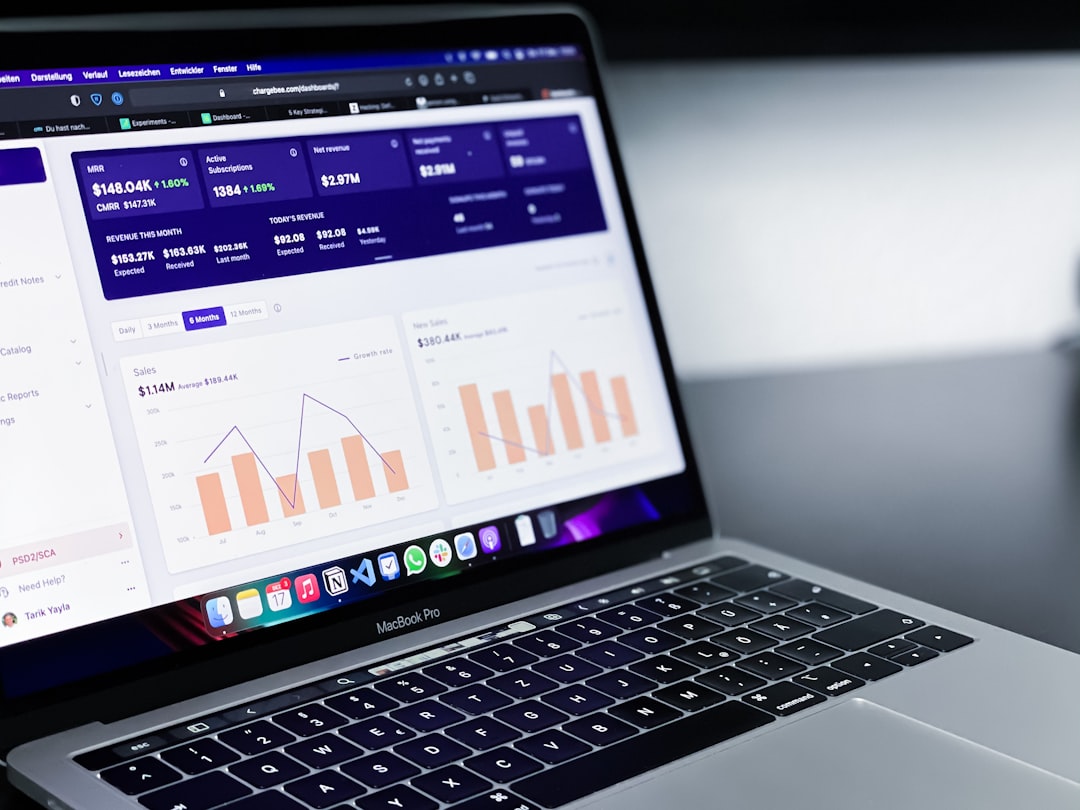
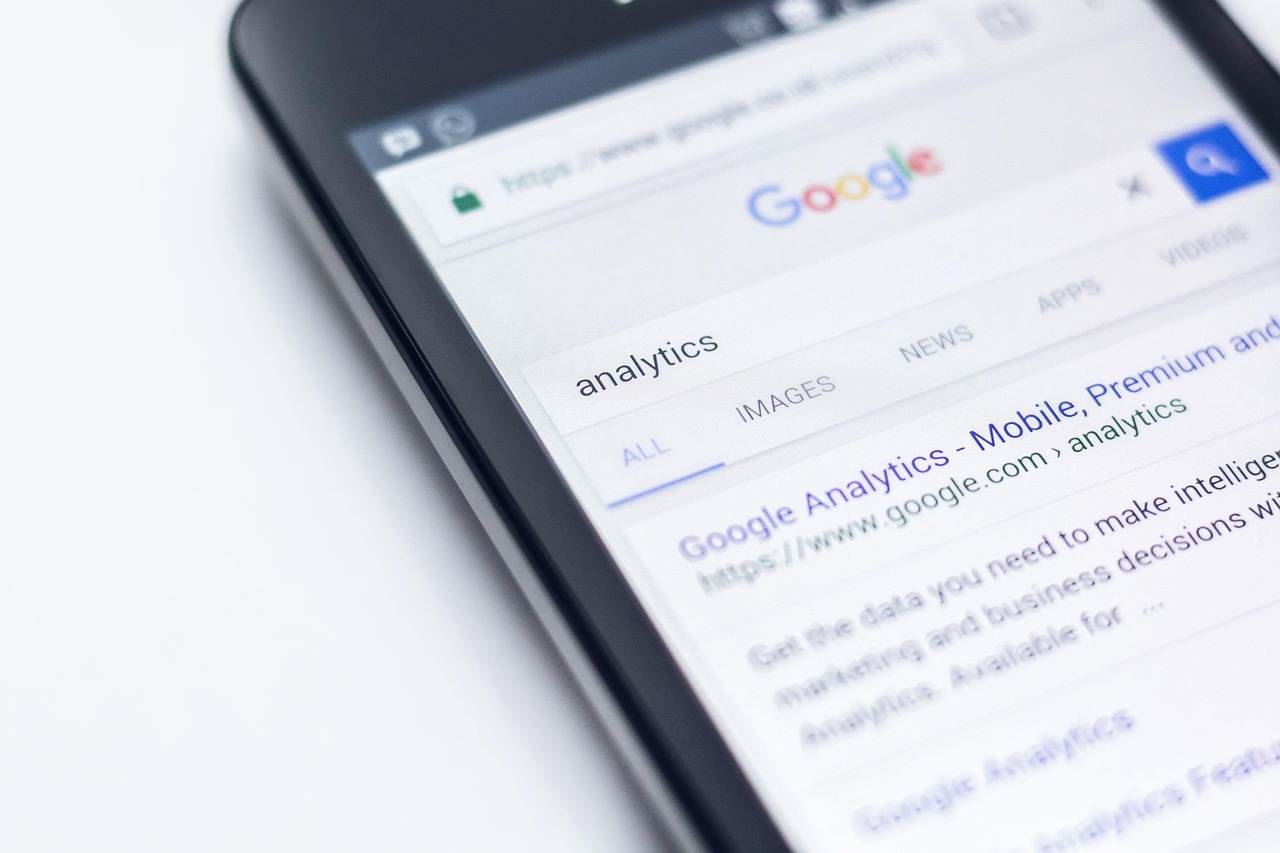
Per research from BrightEdge (cited in the 2026 marketing landscape reports), Google AI Overviews are now appearing on roughly 39% or more of informational queries. And when an AI Overview appears at the top of a search result, click-through rates for the first organic position drop by somewhere between 30 and 58%.
Read that again. If you rank number one for an informational keyword and an AI Overview fires above you, you might be getting less than half the traffic you used to get from that same position.
Per DataForSEO data for Canada, "ai seo" gets 1,000 searches a month in Canada with a cost-per-click of CA$21.33. That's a real, active market. People are searching for this because they're feeling the pressure.
Here's what this means in plain math. Say your site ranks first for a term that sends 500 visitors a month. If an AI Overview now appears above you and drops your CTR by 40%, you're down to 300 visitors. If your conversion rate is 3%, that's the difference between 15 leads a month and 9. Six leads a month, gone. Not because your SEO got worse. Because the SERP changed around you.
That's the piece that most SEO reports won't show you, because most SEO reports are still measuring rankings and traffic, not leads. If your agency is sending you ranking screenshots without connecting them to lead volume, you're flying blind. (I've written more about what useful reporting actually looks like in our AI search visibility guide.)
The Two Jobs Your Site Now Has to Do
Before 2024, your site had one job: rank well enough that a human clicked on it and converted.
Now it has two jobs.
Job 1: Rank for humans. Same as before. Someone searches, sees your result, clicks, and hopefully calls or books.
Job 2: Be cited by AI. A user asks ChatGPT or Perplexity or Google AI a question, and the AI pulls from your site as a source. The user may never visit your site directly. But they see your name, your answer, maybe your URL. That's a brand impression. And if the AI keeps citing you, you become the authority in that space.
Here's the thing: Job 2 requires different signals than Job 1. Traditional SEO is about backlinks, keyword density, technical structure. AI citation is more about being clearly authoritative on a specific topic, having content that directly answers questions, and being structured in a way that AI can parse and quote accurately.
That's where generative engine optimization and answer engine optimization come in. Those are the tactical disciplines that sit under the AI SEO umbrella. I'm not going to re-explain them here, but they're worth understanding if you're trying to get cited, not just ranked.
The short version: if your content is vague, generic, or written primarily to hit a word count, AI won't cite it. AI pulls from content that answers a specific question clearly, with enough context to be trustworthy.
What Actually Changes in Your SEO Work
So what does this mean for the actual work? Here's how I think about the shift, week by week, for a Canadian SMB that's trying to get this right.
Month 1, Week 1: Baseline audit. Before you change anything, you need to know where you stand in both worlds. Run a standard technical SEO audit (Core Web Vitals, crawlability, indexation). Then separately, do an AI visibility check: search your top five service keywords in ChatGPT and Perplexity. Are you mentioned? Are competitors? This tells you your AI citation gap. Our AI SEO audit guide walks through the exact process.
Month 1, Week 2: Content inventory. Pull your top 10-15 pages by traffic. For each one, ask: does this page directly answer a specific question someone would ask an AI? Or is it a general overview that doesn't commit to a clear answer? In my experience, most SMB websites are heavy on the latter. Pages that say "we offer a range of services tailored to your needs" are invisible to AI. Pages that say "here's how much a commercial electrical inspection costs in Saskatchewan, and here's what it includes" are exactly what AI pulls from.
Month 1, Weeks 3-4: Prioritize rewrites. Pick the three to five pages with the highest traffic and the weakest AI-answer structure. Rewrite them to directly answer the questions your customers are actually asking. Use specific numbers, local context, and clear recommendations. Vague content is the enemy here.
Month 2, Week 1: Schema and structure.
AI reads your site differently than a human does. Schema markup, clear heading hierarchies, FAQ sections, and structured data all help AI understand what your page is about. Our schema markup guide for AI search covers the specifics. This is also the time to look at your robots.txt and decide whether you're allowing or blocking AI crawlers like GPTBot and ClaudeBot. Those decisions matter more than most people realize. See our guides on GPTBot and ClaudeBot for the tradeoffs.
Month 2, Week 2 onward: Track AI citations. This is where most SMBs have a gap. They're tracking Google rankings. They're not tracking whether they're being cited in AI answers. Tools like Otterly.AI and Profound are built for this. They monitor your brand mentions across multiple LLMs. You don't need all of them, but you need at least one. Our AI search visibility guide covers what to actually measure.
Typically, in my experience, SMBs that do this audit-and-rewrite process see meaningful changes in AI citation frequency within 60 to 90 days. Not overnight. But faster than traditional SEO, because the barrier to AI citation is content quality, not domain authority built over years.
The AI Tools Side: What's Worth Using
Quick note on the "AI as a productivity tool" side of AI SEO, because it's not irrelevant.
There are legitimate AI SEO tools that can speed up real work: keyword gap analysis, content briefs, on-page optimization scoring, internal link audits. Surfer AI, Semrush's AI features, Ahrefs, SE Ranking all have AI layers now. Some of them are genuinely useful. Some are expensive subscriptions that mostly just wrap ChatGPT in a nicer interface.
Our breakdown of the best AI SEO tools goes through what's actually worth paying for in 2026 at the Canadian price points. I won't replicate that here.
What I will say is this: the tools are not the strategy. I've seen Canadian SMBs spend CA$300-500 a month on AI SEO tool subscriptions and still have no coherent plan for what they're optimizing for. The tools are only as useful as the strategy behind them.
What to Watch For When Someone Pitches You "AI SEO"
Here's the part that I think matters most for a lot of people reading this.
You're going to get pitched AI SEO. Maybe you already have. And the pitch is going to sound impressive. AI-powered audits. Automated content generation. Machine learning optimization. Big words.
Here's how to cut through it.
Ask these three questions:
1. How will you measure whether AI is citing my site? If they can't answer this, they're not doing AI SEO. They're doing regular SEO and calling it AI.
2. What's the difference between what you're doing for my Google rankings versus my AI visibility? These require different work. If the answer is "it's all connected," push harder. It's not all connected. They're related, but the tactics differ.
3. Can you show me a site you've improved AI citation for, and what that looked like in terms of leads or traffic? Results. Real numbers. Not ranking screenshots. Per 2024 data from the Business Data Lab, only about 14% of Canadian businesses were actively using generative AI in their operations. Most agencies pitching "AI SEO" are figuring it out as they go, same as everyone else. The ones worth hiring are the ones who are honest about that and can still show you the work.
One owner of a professional services firm in Ottawa told me he paid a Toronto agency CA$4,000 a month for eight months and then had to pay another agency CA$3,500 just to audit whether the first one had done anything. That story is not unusual. The protection against it is asking for specifics before you sign, not after.
For a full breakdown of what AI marketing agencies actually charge and what you should expect, see our AI marketing agency guide.
3 Takeaways If You Read Nothing Else
1. AI SEO is two separate problems. Using AI tools to do SEO work faster, and getting your site cited by AI search engines. Don't let anyone conflate them.
2. The SERP has structurally changed. AI Overviews appear on 39%+ of informational queries and can cut your click-through rate by 30-58% even when you rank first. Your traffic reports are probably hiding this.
3. The fix is content that directly answers questions. Specific, structured, locally relevant. Not longer, not AI-generated-for-the-sake-of-it. Content that an AI can quote because it's actually useful.