Digital Marketing Agencies
What Is Native Advertising (And When Does It Actually Work)?
By Kyle Senger
15+ years in local marketing; Google Ads certified; Shopify Partner.
TLDR
Native advertising, paid content formatted to match its host platform, works best as a top-of-funnel awareness tool for Canadian SMBs, with sponsored article placements in niche trade publications running roughly CAD $3,500 per placement in 2026.
- Disclosure requirement: Clear "Sponsored" labelling above the headline is mandatory under Competition Act Section 74.01 and Advertising Standards Canada guidelines, not optional.
- Cost per lead reality: A CAD $3,500 trade publication placement driving 800 readers at 4% CTR and 5% site conversion produces roughly 1 to 2 leads, so client lifetime value must justify the spend.
- Best fit: Products or services with longer consideration cycles, professional services, healthcare, home renovation, anything needing explanation before a buyer will engage.
- Attribution fix: UTM parameters and dedicated landing pages on every campaign, per the article's recommended tracking baseline.
- Red flag: Agencies proposing Taboola or Outbrain as a primary channel on budgets below CAD $1,500 per month.
You've seen it a hundred times and probably didn't notice. That's the whole point.
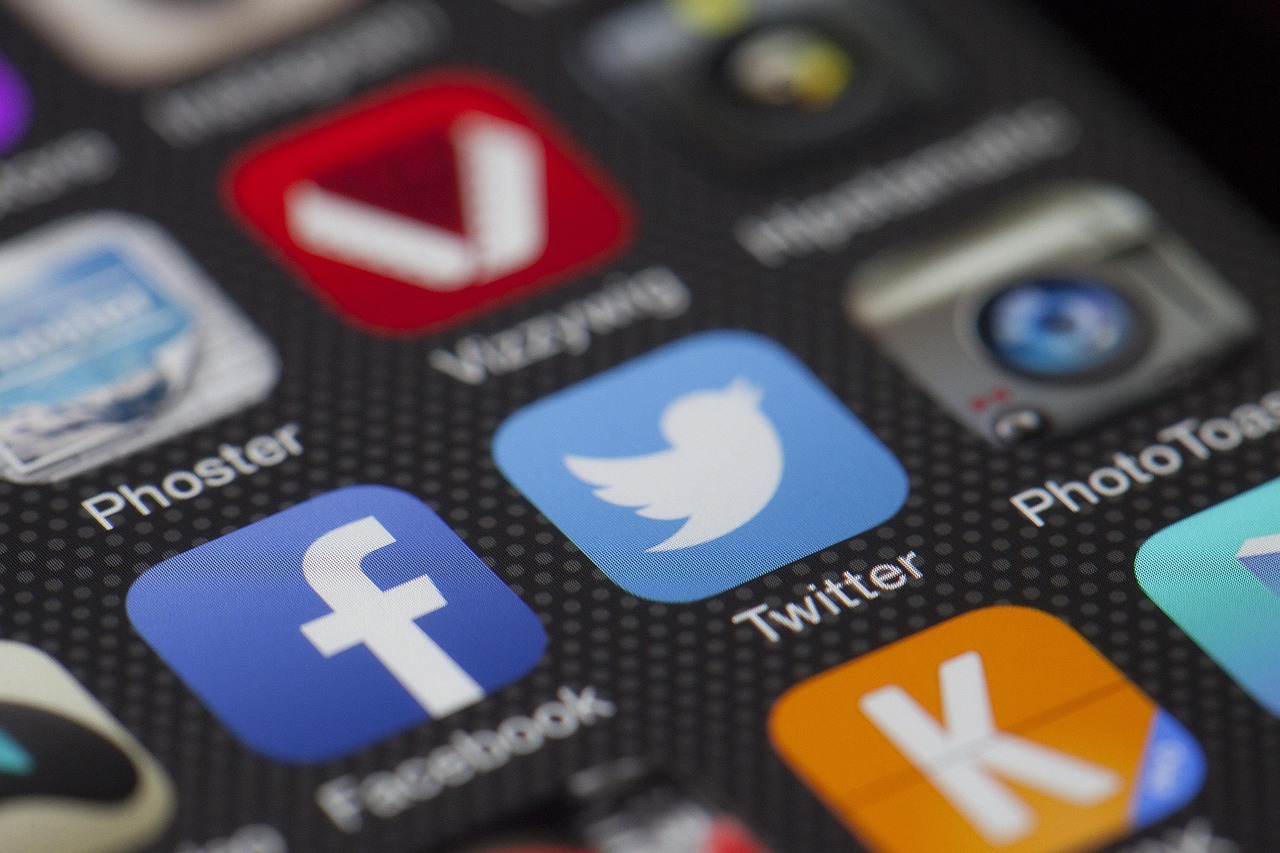
A sponsored article on a news site that reads like editorial content. A "recommended post" in your social feed that looks just like organic content from a friend. A promoted listing on a search results page that sits right above the regular results. That's native advertising. It's paid content designed to match the look and feel of the platform it lives on.
Here's the thing: native advertising gets a bad reputation because it's been done badly for years. But when it's done right, it's one of the most effective ways for Canadian SMBs to get in front of people who are already in a receptive headspace. This article covers what native advertising actually is, how it works, when it makes sense for your budget, and when you should probably spend your money elsewhere.
What Native Advertising Actually Is (And What It's Not)
Native advertising is paid placement that blends into the surrounding content. The format matches the platform. The tone matches the context. The reader doesn't feel ambushed.
Compare that to a banner ad, which sits in a box and screams "I am an advertisement." Native doesn't do that. It shows up in the feed, in the article stream, in the search results, looking like it belongs there.
Common formats in Canada:
In-feed social ads. Facebook, Instagram, LinkedIn, TikTok. These look like organic posts. They're labelled "Sponsored" in small text, but the format is identical to content from your network.
Sponsored content / branded articles. A company pays a publisher (say, a trade publication or a local news site) to publish an article. The article is written in the publisher's editorial style. It's labelled "Sponsored" or "Paid Content" at the top, but it reads like journalism.
Promoted search listings. Google Ads search placements are technically a form of native advertising. They match the format of organic results. They're labelled "Sponsored" but they live in the same visual space.
Content recommendation widgets. Those "You might also like" boxes at the bottom of articles, served by platforms like Taboola or Outbrain. You pay to have your article appear alongside editorial content on major publisher sites.
What native advertising is NOT: it's not SEO, it's not display advertising (banners), and it's not influencer marketing, even though those sometimes get lumped in. For a full breakdown of paid and organic channels together, see our complete guide to the best digital marketing company options for Canadian businesses.
The Canadian Regulatory Reality You Need to Know
This is the piece most agencies skip in their pitch decks, so I want to be direct about it.
In Canada, native advertising has a disclosure requirement. The Competition Bureau Canada enforces Section 74.01 of the Competition Act, which prohibits materially false or misleading representations. If a sponsored article creates the impression it's independent editorial content when it's actually paid placement, that's a problem. The disclosure needs to be clear, not buried in a footer or written in 8pt grey text.
The ASC (Advertising Standards Canada) also has guidelines requiring that sponsored content be "clearly and prominently identified" as advertising. "Clearly" means a reader should understand it's paid before they engage with the content, not after.
Practically speaking: if you're running branded articles through a Canadian publisher, make sure "Sponsored" or "Paid Content" appears above the headline, in a readable font. Not after the article. Not in the byline. Before.
CASL (Canada's Anti-Spam Legislation) matters here too, but mainly when native advertising is used to drive email sign-ups. If you're collecting emails through a native ad campaign, you need express consent before sending commercial messages. Implied consent has a short shelf life and narrow scope under CASL. Don't let an agency hand-wave that.
When Native Advertising Makes Sense for a Canadian SMB
Native advertising isn't for everyone. I think it's most useful in specific situations, and pretty wasteful in others.
It works well when you have something to explain. If your product or service needs context before someone will consider it, native is a good fit. A 500-word sponsored article can do what a 30-second banner ad can't. Professional services, healthcare, financial planning, home renovation, anything with a longer consideration cycle. These are good candidates.
It works well when your audience is already on a specific platform. LinkedIn native ads for B2B services in Calgary or Toronto. In-feed Instagram ads for a home goods brand in Vancouver. The platform's native format means your ad isn't fighting the environment. For more on B2B-specific channels, see our B2B marketing agency guide.
It works less well when you need fast, bottom-of-funnel conversions. If someone is already searching "emergency plumber Saskatoon," they don't need a branded article about your company culture. They need a Google search ad with your phone number. Native advertising is mostly a top-of-funnel and mid-funnel tool. It builds awareness and consideration. It's not usually the thing that closes the deal.
Here's a worked math example. Assume you're running a sponsored content campaign through a Canadian trade publication targeting construction contractors in Ontario and Alberta. The publisher charges CA$3,500 for a sponsored article placement (a reasonable mid-market rate for a niche trade pub). Your article drives 800 readers. Of those, 4% click through to your site. That's 32 visitors. If your site converts at 5%, you get 1-2 leads. That's a cost per lead of roughly CA$1,750-$3,500 for that single placement.
That sounds expensive, and it might be. But if one of those leads is worth CA$25,000 in contract value, the math changes completely. The question is always: what's a new client worth to you? Work backwards from that number before you commit to any placement.
In my experience, SMBs that see native advertising work well are usually running it alongside search ads or SEO, not instead of them. It fills in the awareness gap that search can't reach because people aren't searching for what you offer yet.

How a Native Advertising Campaign Actually Gets Built
This is the week-by-week reality, not the pitch-deck version.
Week 1: Audience and platform decision. Before anyone writes a word or designs anything, you need to answer two questions. Who exactly are you trying to reach? And where do those people already spend time? For a Saskatchewan-based equipment dealer, that might be in-feed Facebook ads targeting rural postal codes plus a sponsored article in a Western Canadian agriculture publication. For a Toronto HR software company, it's probably LinkedIn in-feed with a sponsored post pointing to a longer article on your own site.
Week 2: Content creation. Native advertising lives or dies on the content. A bad sponsored article reads like a press release. A good one reads like something the reader would have sought out themselves. This means your article needs to be genuinely useful, not just promotional. "Five things contractors get wrong when hiring subcontractors" is a native ad that works. "Why [Your Company Name] is the best choice for contractors" is a native ad that doesn't.
Week 3: Platform setup and targeting. If you're running in-feed social ads, this is where the targeting gets built. Audience segments, lookalikes if you have enough existing customer data, geographic targeting, exclusions. If you're running through a content recommendation platform like Outbrain, you're setting up the campaign, choosing publisher categories, and setting your cost-per-click bids. Canadian CPCs on these platforms are generally lower than US equivalents, per DataForSEO's 2024 Canadian keyword data, which is useful context when budgeting.
Week 4: Launch and baseline data. The first week of a live campaign is mostly about collecting baseline data. Click-through rate, time on page for the article, bounce rate, downstream conversions. Don't make big decisions in week one. You need at least two to three weeks of data before you know if the targeting is right.
Month 2: Optimise based on what you're seeing. If one audience segment is clicking at 2x the rate of another, shift budget there. If the article is getting clicks but no downstream conversions, the problem is usually the landing page or the offer, not the native ad itself. Adjust and retest.
In my experience, campaigns that skip the Week 1 audience work and jump straight to content creation tend to produce articles that are technically fine but aimed at the wrong people. The platform doesn't fix that for you.
The Honest Limitations of Native Advertising
I want to be straight with you here.
Native advertising has a trust problem. A 2024 Reuters Institute Digital News Report found that audiences are increasingly sceptical of sponsored content, particularly on news sites. When readers realize they've been reading an ad, some feel misled, even when the disclosure was there. That backlash can land on your brand if the content feels like a bait-and-switch.
There's also an attribution problem. Unlike Google search ads, where you can trace a click directly to a lead and a lead directly to a sale, native advertising's impact is often diffuse. Someone reads your sponsored article in February and calls you in April. Did the article cause the call? Probably contributed. Can you prove it? Harder.
This is why I'd suggest pairing any native advertising spend with proper tracking. UTM parameters on every link. A dedicated landing page for the campaign. If you're collecting leads through a form, tag the source. Without that, you're flying blind, and you won't be able to defend the spend when someone asks what it actually did.
For a look at how digital advertising channels compare more broadly, the top digital advertising agencies guide covers the full landscape. And if you're trying to figure out which type of agency to work with for paid media, the how to choose guide is worth reading before you sign anything.
What to Watch For When an Agency Pitches Native
A few patterns I've seen repeatedly that should make you slow down.
Agencies that pitch native advertising as a replacement for search. It's not. Search captures demand that already exists. Native creates demand that doesn't yet. You usually need both.
Agencies that can't tell you the cost per lead on previous native campaigns. If they've run these campaigns before, they should have numbers. "It depends" is sometimes true, but "I don't track that" is a red flag.
Agencies that propose content recommendation networks (Taboola, Outbrain) as the primary channel for a small budget. These platforms can work, but they work better with larger budgets and strong creative testing. A CA$1,500/month budget spread across a content recommendation network will produce thin data and thin results.
And finally: agencies that write the sponsored content themselves without involving you. Native advertising works when the content is credible. You know your industry better than any agency does. The best native content comes from a real collaboration, not a ghostwritten article that sounds like it could be about anyone in your sector.
If you're still figuring out what kind of agency you need for paid media and content, the small business digital marketing guide is a good starting point.
3 Takeaways
Native advertising is a top-of-funnel tool, not a closing tool. Use it to build awareness and consideration. Pair it with search ads or SEO to capture the demand it creates.
Disclosure isn't optional in Canada. Clear, prominent labelling is required under the Competition Act and ASC guidelines. An agency that skips this is creating liability for you, not just for themselves.
Track it or don't run it. UTM parameters, dedicated landing pages, tagged lead sources. Without attribution, you can't tell if native advertising is working or just spending money.